Seven Words You Can't Say at a Craps Table (and Other Sacred Laws of American Gambling Luck)
Photo: Unknown authorUnknown author, Public domain, via Wikimedia Commons
Every casino floor in America runs on two currencies: money and vibes. The money is regulated, audited, and printed on the wall in giant glowing numbers. The vibes? Those are governed by an unwritten constitution older than the Mirage, older than Vegas itself, and possibly older than the wheel.
Here at Rakoo, we've watched enough live dealer streams and slot sessions to know the truth: gamblers are a deeply superstitious species. And honestly? We wouldn't have it any other way. But before you duct-tape a rabbit's foot to your phone for your next online session, let's talk about which rituals are harmless fun and which ones are quietly draining your bankroll.
The Forbidden Seven
Ask any craps veteran and they'll tell you: you do not say "seven" at the table. Not after the point is established. Not as a joke. Not even to tell the dealer you'll be back in seven minutes. You say "the big red number," "the devil," or you simply hold up fingers and mouth nothing, like you're playing charades with a hostile ghost.
Is it rational? Absolutely not. The dice don't have ears. But watch a table erupt when some rookie blurts it out mid-roll and gets blamed for a point-seven crash, and you'll understand: superstition isn't about logic, it's about belonging. Breaking the taboo marks you as an outsider. Observing it buys you instant membership in a club that's been meeting since before your grandfather was born.
The Slot Whisperers
Then there's the slot crowd, a breed unto themselves. Every casino in America has that one regular who treats a Dragon Link cabinet like a magic lamp. They rub the screen. They whisper to it. They press the button with a specific finger, on a specific beat, after blowing on it like they're buffing a priceless trophy.
Here's the gentle truth, delivered with love: that machine has a random number generator spinning thousands of outcomes per second, and it has never once noticed your breath. Blowing on slots is the gambling equivalent of complimenting your GPS. Sweet? Sure. Effective? The RNG would like a word.
But — and this is a big but — if rubbing the screen makes you smile, rub away. Rituals that cost nothing and add joy are the good kind.
The Charm Economy
American gamblers carry an entire armory of lucky objects, and the variety is genuinely beautiful:
- The $2 bill. The undisputed champion. Grandpa's two-dollar bill has funded more first bets than any bank promotion in history.
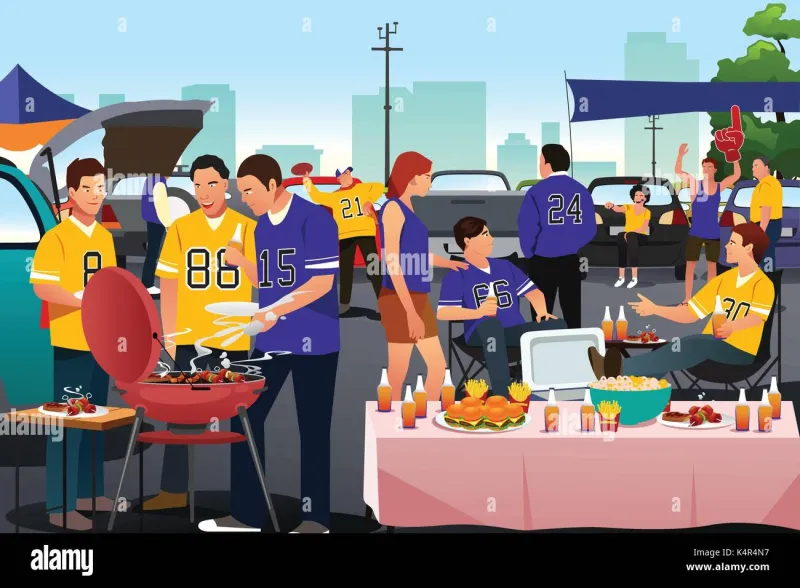
- Lucky socks. Usually unwashed. Frequently a Super Bowl superstition gone feral.
- The gambling shirt. Worn only on casino days. Has never been washed during a winning streak, and never will be.
- A specific parking spot. Because obviously the valet placement determines whether the dealer busts.
- Crossed fingers, knocked wood, and one legendary guy in Reno who carries a plastic kangaroo. (Excellent taste, whoever you are.)
The psychology here is real, even if the magic isn't. Researchers call it the illusion of control — the feeling that our actions influence random outcomes. Studies have shown that people with lucky charms actually perform better on tasks involving confidence and memory. Not because the charm bends reality, but because believing you're lucky makes you calmer, bolder, and more decisive. The charm is a performance-enhancing placebo. That's not nothing.
Where Ritual Turns Expensive
Now for the part we'd be irresponsible to skip. There's a line between a lucky charm and a losing system, and it's drawn in dollar signs.
Rubbing a screen: free. Betting bigger because you're "due" after ten losses: that's the gambler's fallacy wearing a charm bracelet. The machine doesn't remember your last spin, the roulette ball has no memory of red, and no streak — hot or cold — obligates the next outcome to cooperate.
The dangerous rituals are the ones with price tags: chasing losses to "reset your luck," refusing to cash out because the machine "isn't done," or bumping your bet size because a charm "told you to." Your kangaroo plushie is a great co-pilot. It's a terrible financial advisor.
The Roo's Official Superstition Rankings
We polled the Rakoo war room and ranked America's most-witnessed casino rituals from delightful to deranged:
- Blowing on dice — classic, cinematic, harmless. The Sinatra special.
- The $2 bill — patriotic, thrifty, iconic.
- Tapping the slot screen — basically a high-five for a robot. Fine.
- Lucky seat loyalty — as long as it's free, sit where you like.
- Refusing to say seven — harmless, and honestly great table theater.
- Never counting your money while sitting at the table — thank you, Kenny Rogers, for the soundtrack and the questionable accounting advice.
- Betting your rent because the fortune cookie said so — hard no. The cookie works at a Chinese restaurant, not a sportsbook.
Lucky Enough to Walk Away
Here's the secret the luckiest gamblers in America know: the best charm isn't a sock, a bill, or a whispered word. It's a plan. Set your budget before you play. Decide what a winning night looks like and actually cash out when you get there. Walk when the fun stops.
Because the real magic of gambling was never in the dice or the screen — it's in the stories you leave with. The seven at the craps table, the screen-rubbing regular, the two-dollar bill that somehow lasted four hours: those are the souvenirs.
So bring your charms. Keep your rituals. Say "the big red number" with your whole chest. Just remember that the luckiest thing a gambler can do is treat luck like a party guest, not a business partner — welcome it when it shows up, and never chase it out the door.
Now if you'll excuse us, there's a slot screen that hasn't been properly complimented today. Somebody's got to do it.
Play smart, play for fun, and always bet with money you can afford to lose. That's not a superstition — it's the only rule that always pays.