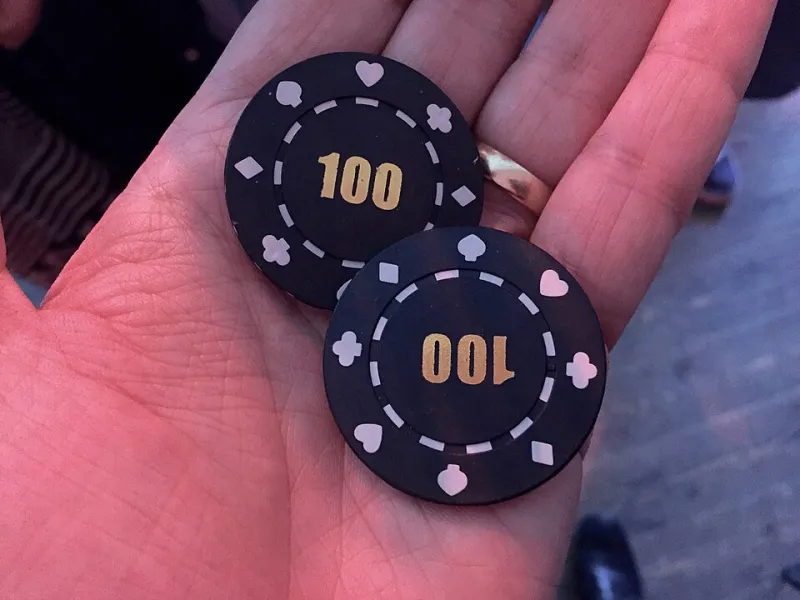
Hop Smart: Why Your Bankroll Needs a Pouch (Lessons From the Marsupial Playbook)
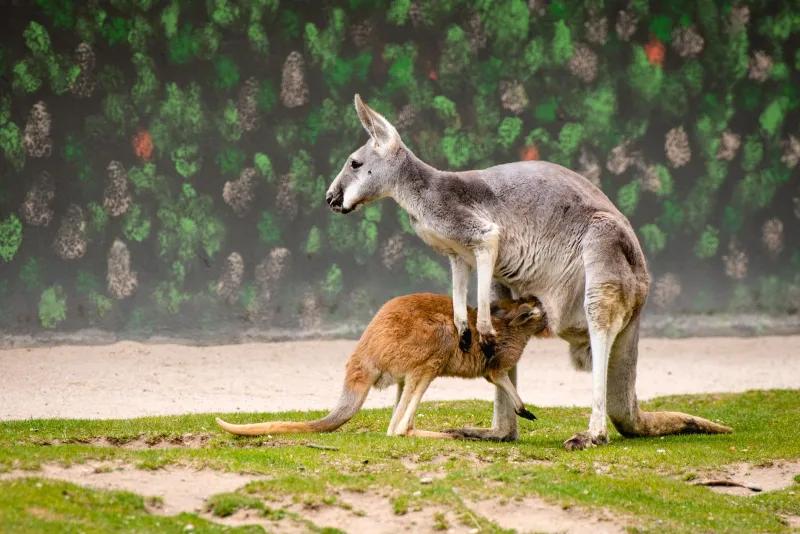
Let's be honest for a second: the kangaroo is the only animal that understood bankroll management before it was cool. Think about it. It hops around the Outback all day, and it's got a built-in reserve strapped to its body. A protected stash. A pouch. Nature's emergency fund.
Here at Rakoo, we take our marsupial branding seriously — seriously enough to admit that most American gamblers could learn a thing or two from our favorite animal. Because the number one reason players go bust isn't bad luck. It's bad structure.
The Pouch Theory, Explained
Here's the concept: before you play a single hand or spin a single reel, split your bankroll in two. The active stack is what you're allowed to bet with. The pouch is money that does not exist as far as your gambling brain is concerned. It's not "backup funds for when things go south." It's not "one more buy-in waiting in the wings." It's locked. Sealed. Joey-carrying pouch territory.
The pouch exists for one reason: to get you home. Whether you're driving back from a night in Vegas or logging off your couch in Ohio, the pouch guarantees the session ends with you still in the game — emotionally and financially.
Why does this work? Because the moment you lose your active stack, you've hit a natural stopping point. Your brain wants to chase. It whispers things like "you're due" and "one more deposit fixes everything." The pouch answers with a firm Australian accent: nah, mate.
The Psychology of the Second Buy-In
Casinos — online and off — are engineered around one key moment: the re-up. The second deposit is always easier than the first. The first one felt like spending money. The second one feels like investing in your comeback story. That's a lie your dopamine system tells you, and it's a whopper.
Studies on gambling behavior have shown that losses hurt roughly twice as much as equivalent wins feel good. That asymmetry is exactly what fuels chasing behavior. When you lose $200, your brain doesn't process it as "$200 gone." It processes it as "$200 I can win back if I just keep going."
The pouch breaks that loop. When your active stack is gone and the pouch is untouchable, chasing requires a deliberate, annoying, wake-up-call decision — transferring money, re-depositing, waiting. Friction is your friend. Every extra step between "I lost" and "I'm playing again" is a step where your rational brain gets a vote.
Knowing When to Hop vs. When to Double Down
Okay, so when should you actually push chips in, and when should you bounce like a roo at sunset? Here's our unofficial field guide:
Hop away when:
- You've hit your pre-set win goal and you're arguing with yourself about it. If you're negotiating, the session's over.
- You're playing emotionally — tilted, frustrated, or trying to "send a message" to a slot machine.
- You can't remember what your original session budget was. That's amnesia of convenience.
Double down (responsibly) when:
- The math actually supports it — think doubling on an 11 in blackjack, not doubling your bet after five losses because the machine "owes" you.
- You're up and playing with house money you've mentally written off. Risking winnings feels fundamentally different than risking rent.
- It's part of a strategy you decided before the session started, not a rescue plan invented mid-tilt.
Notice the pattern? Good doubling down is premeditated. Bad doubling down is improvised. Kangaroos don't improvise. They hop with purpose.
Build Your Pouch in Three Steps
- Set your total session bankroll — an amount losing entirely wouldn't ruin your week.
- Pocket 30–50% immediately. Physically separate it if you're at a live casino; use a separate account or just... don't deposit it if you're online.
- Pre-commit to the exit. Write down your stop-loss and your win goal. When either hits, you hop. No committee meetings with yourself.
The Roo's Bottom Line
Bankroll discipline isn't glamorous. Nobody's posting their stop-loss limits on social media. But the players who last — the ones still having fun six months from now — are the ones who learned to keep a pouch.
Carry a reserve. Respect the exit. And when the table turns cold, do what the roo does: hop off with grace, pouch intact, ready to bounce another day.
That's not just branding advice. That's survival advice. Stay sharp out there, and keep your pouch full.