The Green Button Temptation: A Roo's Field Guide to Cashing Out Without Regret
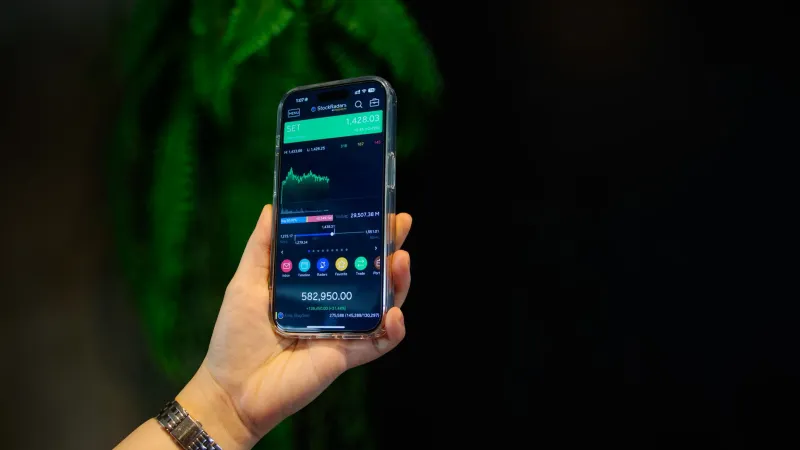
The green button is a beautiful liar. It glows on your phone like a tiny casino angel, promising safety, certainty, and an end to the sweating. One tap and the drama is over. One tap and you can stop checking the score every 12 seconds. One tap and you can pretend you were never emotionally invested in a fourth-quarter comeback involving a team you only bet because the mascot looked tough.
But cash-out is not a magic undo key. It is a secondary offer from the sportsbook. The book is not doing you a favor. It is buying your position at a price it believes is profitable. Sometimes that price is a smart bankroll tool. Sometimes it is a quiet leak in your betting wallet. The trick is knowing the difference before your thumb gets twitchy.
What the Green Button Actually Is
When you place a bet, you own a ticket with a current value based on the live odds. Cash-out is the sportsbook offering to buy that ticket back before the event settles. The offer is usually based on the fair value of your position minus a margin. That margin is how the book makes money on the cash-out itself.
If your $100 bet has moved into a position worth $180 in fair market terms, the book might offer you $160. You get certainty. The book gets the difference and the risk. That can be a fair trade. It can also be a bad trade if you are cashing out every time your stomach moves two inches.
For parlays, the math gets stickier. The book has to price the remaining legs, the correlation, and the time left. Cash-out offers on parlays can swing wildly. A parlay that looks juicy after three legs can offer a cash-out number that feels insulting, because the book knows the last leg is the hard part. That does not mean the offer is evil. It means the offer is a business proposal.
When Cashing Out Is Smart
Cash-out earns its keep when it protects something real. If you have a large parlay alive and the next leg involves a banged-up quarterback, a cash-out can lock in a profit you would otherwise be sweating. If a live line move has gone heavily against you and the cash-out offer is close to fair value, taking the certainty can be reasonable. If you need the money for rent, groceries, or a surprise transmission repair, cash-out is not a gambling decision anymore. It is a budgeting decision.
It can also be smart when you have pre-committed to a target. Say you told yourself you would take $250 if the ticket ever reached it. Then the ticket reaches $250. Cashing out is not cowardice. It is following the plan you made when your brain was not flooded with adrenaline and nacho Cheese dust.
When It Quietly Leaks Value
The leak happens when you cash out because you are scared, not because the price is good. The book’s margin is always there, and frequent cash-outs can turn a small edge into a slow bleed. If you cash out every time a favorite concedes a goal, you are paying the book a fee for emotional comfort.
It also leaks when you cash out a strong position too early. If your bet is now a heavy favorite and the cash-out offer is below fair value, you are selling a valuable ticket at a discount. Sometimes that discount is worth it. Often it is just you paying the book to stop the butterflies.
Parlay cash-outs are especially tempting and especially tricky. The green button may offer you a decent chunk before the final leg, but if the final leg is a coin flip, the fair value of your ticket may be higher than the offer. The book is not stupid. It knows the last leg is where dreams go to get tackled.
Four Scenarios Where the Green Button Gets Loud
Live line moves: If the line has moved hard against you, the cash-out offer shrinks. That is not the book being petty. That is the market repricing your ticket. Check whether the offer is still above your pre-set minimum before you tap.
Injury scares: A star player limps. The chat goes wild. The cash-out number drops. If you have real information that the injury is serious, cashing out can be smart. If you are reacting to a rumor from a guy named Big Sal in a group chat, maybe take a breath.
Parlay legs: The more legs remaining, the more uncertain the ticket. Cash-out offers can be volatile. Decide before the game whether you are a lock-it-in player or a let-it-ride player. Do not decide while your heart rate is doing a drum solo.
Emotional tilt: This is the big one. If you are angry, drunk, tilted, or all three, the green button is not your friend. It is a slot machine for anxiety. Put the phone down. Make a cup of coffee. Come back in 20 minutes.
The Roo’s 20-Second Green Button Checklist
Ask yourself: What is the fair value of this ticket? Is the offer above my pre-set minimum? Do I need this money for something real? Can I hedge instead? Am I tilted? Would I make this same bet again right now at these odds? And finally, is the margin worth the certainty to me today?
If the answer is yes, tap the button and enjoy the certainty. If the answer is no, let it blink. The green button will be there later. Your bankroll does not need another impulse decision. Spin big, bet bigger, and win at Rakoo, but do not let a glowing rectangle make your choices for you.